Buyer Protection
Gold Escrow Payment — How It Works and Why You Need It
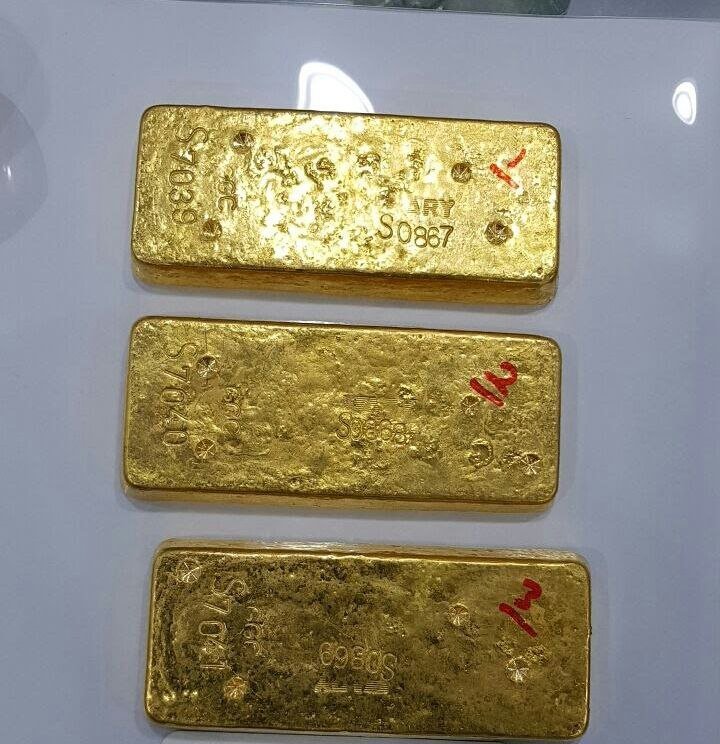
If there is one rule every gold buyer should know, it is this: never pay for gold without escrow protection. Whether you are buying 100 grams or 100 kilograms of DRC alluvial gold, escrow is the mechanism that keeps your money safe until the gold is in your hands — verified and delivered.
This guide explains exactly how gold escrow works, who holds the funds, what happens if something goes wrong, and why Congo Gold Connect actively encourages and accepts escrow payment on every transaction.
Escrow is a financial arrangement where a neutral third party holds payment on behalf of two parties in a transaction. The funds are only released to the seller once specific, agreed conditions have been met — typically delivery and verification of the goods.
In gold trading, escrow means your payment sits in a protected account while the gold is inspected, verified, and shipped. You only lose access to your money when you have confirmed you have received what you paid for.
🔑 Key principle: Escrow eliminates the risk of paying for gold that never arrives, has lower purity than stated, or weighs less than agreed. It is the international standard for large precious metals transactions.
Buyer and seller agree on quantity, purity, price, inspection method, and delivery timeline. These terms are documented before any funds move.
Both parties agree on a neutral escrow service — a licensed financial institution, escrow company, or bank that holds funds in a dedicated account. Common options include Escrow.com, specialist commodity escrow services, or major banks with escrow facilities.
The buyer transfers the agreed purchase amount into the escrow account. At this point, the seller knows the funds are real and committed — but cannot access them yet.
The seller presents the gold for independent inspection — physically in DRC or Kampala, or via video with live XRF testing. The buyer or their appointed inspector verifies purity, weight, and documentation.
Once inspection is passed, the gold is shipped via secure cargo carrier to the buyer's destination (Dubai, Switzerland, USA, or as agreed).
Upon delivery, the buyer confirms the gold has arrived in the agreed condition. They instruct the escrow provider to release funds to the seller.
The escrow provider releases payment to the seller. Transaction complete — both parties protected throughout.
This is the critical question — and the reason escrow exists. If the gold does not pass inspection, does not arrive, or does not match what was agreed:
This is why escrow eliminates most of the risk in international gold trading. Your money is never simply "sent" — it is held and protected until you confirm satisfaction.
Escrow fees are typically 0.5–2% of the transaction value, depending on the provider. These fees are usually split between buyer and seller, or can be negotiated as part of the deal terms. For large transactions, the cost of escrow is minimal compared to the protection it provides.
Any gold seller who refuses escrow and insists on full upfront payment should be avoided. Legitimate sellers accept escrow because:
Scammers refuse escrow because it prevents them from disappearing with your money before delivering anything.
✅ Congo Gold Connect policy: We accept and actively encourage escrow payment on all transactions. We never ask for full upfront wire transfer without an escrow arrangement in place. If a seller claiming to represent us asks for direct payment with no escrow, it is not us.
Wire transfer (T/T) sends funds directly to the seller with no protection. Once sent, the money is gone — you rely entirely on the seller's honesty. Escrow holds the funds until conditions are met. For first-time transactions or any large purchase, always use escrow. Wire transfer is only appropriate for established, long-term relationships with a proven track record.
Congo Gold Connect accepts escrow on every transaction. Contact us today — we respond within 24 hours.
Start a Secure Transaction → 💬 WhatsApp: +256 768 667 519