Documentation
What is a Gold Assay Certificate and Why You Need One
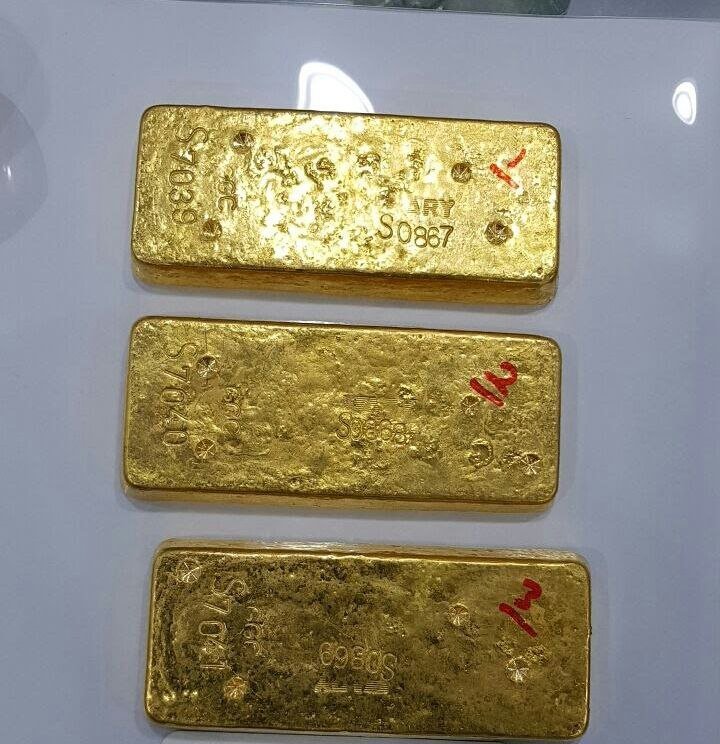
When buying gold — especially from artisanal sources in Africa — an assay certificate is the most important document you can request. It is your guarantee that the gold you are paying for is what the seller claims it to be.
A gold assay certificate is an official document issued by an accredited independent laboratory that confirms:
🔑 Rule #1: Never purchase gold without a third-party assay certificate. A certificate from the seller themselves is not sufficient — it must come from an independent accredited laboratory.
The most common method for testing gold purity on-site. An XRF analyser fires X-rays at the gold sample and measures the fluorescent energy emitted to determine the exact elemental composition. Fast, non-destructive, and highly accurate. This is the method we use for field verification.
The gold standard (literally) for purity testing. A small sample is melted with lead oxide in a furnace. The gold is separated and weighed to determine exact fineness. Highly accurate but destructive — a small portion of the sample is consumed.
A quick field test using acid solutions. Different acids react differently with different gold purities. Less precise than XRF or fire assay but useful for quick verification.
DRC alluvial gold typically assays at 22–23 Karat (91.7–95.8% purity). The gold contains trace amounts of silver and other minerals — this is normal for alluvial gold and does not diminish its value significantly. After professional refining, DRC gold reaches 99.5–99.99% purity (24K).
At Congo Gold Connect, we coordinate third-party assay testing for every transaction. We work with accredited assay labs in Uganda and can arrange testing in the buyer's presence or via a trusted third-party inspector.
We provide third-party assay certificates on every lot. No certificate, no deal — that's our standard.
Enquire Now → 💬 WhatsApp Us