Market Analysis
East Africa's Gold Market in 2026 — Trends, Players and Opportunities
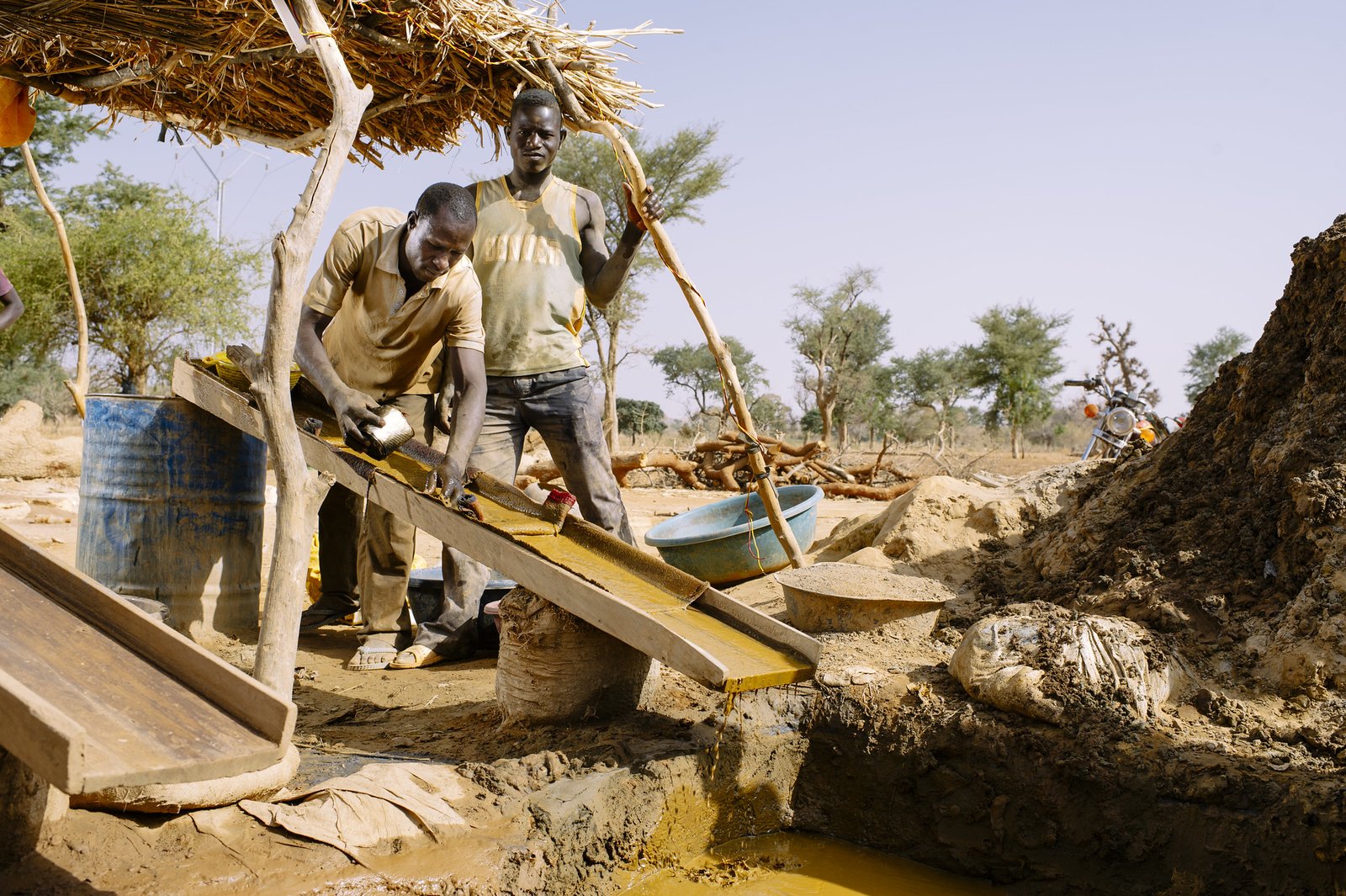
East Africa has quietly become one of the most dynamic gold markets in the world. While media attention focuses on large-scale industrial mining in South Africa and Ghana, the real story in 2026 is unfolding in the eastern corridor — from the gold-rich hills of the Democratic Republic of Congo through Uganda's Kampala trading hub to refineries in Dubai, Switzerland, and beyond.
For buyers, traders, and investors paying attention, the opportunity is significant. Here is a comprehensive look at where East Africa's gold market stands in 2026, who the key players are, and where the most compelling opportunities lie.
The Democratic Republic of Congo remains the backbone of East Africa's artisanal gold sector. Eastern DRC — specifically the provinces of Ituri, North Kivu, and South Kivu — contains some of the densest alluvial and hard-rock gold deposits on the continent. Geological surveys estimate proven and probable reserves in excess of 1,000 tonnes in the eastern region alone.
Artisanal and small-scale mining (ASM) accounts for the majority of production. An estimated 2 million people work in DRC's ASM gold sector, producing between 15 and 30 tonnes of gold annually from eastern provinces — though the true figure, accounting for informal flows, is likely considerably higher.
📊 Key stat: The World Gold Council estimates that sub-Saharan Africa's artisanal sector produces over 200 tonnes per year. DRC accounts for a significant and growing share of that total, driven by rising gold prices making marginal deposits economically viable.
In 2026, two trends are reshaping DRC production:
Uganda's role in East Africa's gold market has expanded dramatically over the past decade. Kampala has become the primary aggregation and export hub for DRC alluvial gold, functioning as the commercial gateway between central African production and global demand.
The DRC–Uganda corridor works because of geography, infrastructure, and regulatory pragmatism. Gold crosses the border at several points — primarily via Kasindi and Bunagana into Uganda's western region — and flows to Kampala for aggregation, assay, and export documentation before departing via Entebbe International Airport.
Uganda's Minerals Protection Authority (UMPA) and the Bank of Uganda have progressively tightened the regulatory framework around gold exports over the past three years. In 2026, legal gold export from Uganda requires:
While this adds compliance overhead, it has had a net positive effect on the market: buyers from DMCC-licensed Dubai refineries and Swiss AUSTA members can now source Uganda-exported gold with greater confidence in the documentation chain.
Dubai remains the single largest destination for East African gold exports in 2026. The Dubai Multi Commodities Centre (DMCC) free zone — home to over 700 gold and precious metals companies — processes and trades an estimated 25% of the world's physical gold supply annually.
For East African gold, the Dubai value chain works as follows:
Dubai's demand appetite for African gold has increased in 2026 for a straightforward reason: as LBMA spot prices hold above $3,000/oz, the refining margin on below-spot African source material has expanded, making the economics more attractive for Dubai operators.
European demand for African gold is driven by a different dynamic — compliance requirements rather than pure margin. Swiss refineries (Valcambi, Argor-Heraeus, PAMP) and European institutional buyers require full OECD due diligence documentation and conflict-free certification. The additional paperwork requirements are offset by the fact that European buyers typically pay closer to spot for fully documented, conflict-free DRC gold.
For suppliers who invest in the compliance infrastructure, the European market offers a premium over what Dubai refineries pay for undifferentiated African gold.
Gold prices have maintained levels above $3,000/oz through the first quarter of 2026, supported by central bank accumulation, US dollar uncertainty, and persistent geopolitical risk premiums. For African ASM producers and exporters, sustained high prices mean wider margins and greater appetite to formalise previously informal production.
The OECD Due Diligence Guidance for Responsible Supply Chains of Minerals from Conflict-Affected and High-Risk Areas (the "OECD Gold Guidance") is increasingly enforced by downstream buyers. Major refineries face reputational and regulatory risk if they process undocumented African gold. This is driving demand for verified, traceable supply chains — an area where established brokers like Congo Gold Connect have a structural advantage over informal traders.
Historically, Chinese and Indian refineries have sourced African gold indirectly via Dubai. In 2026, there is growing evidence of direct sourcing relationships developing — Chinese trading firms in particular are establishing direct presence in Kampala and Nairobi to cut out the Dubai intermediary step. This trend, if it accelerates, will add a significant new demand layer to the East African market.
The current market conditions create a clear window for buyers who can act with speed and proper documentation:
Congo Gold Connect — your verified gateway to DRC alluvial gold. 22–24K purity. Full compliance documentation. Escrow-protected transactions. Any quantity.
Send an Inquiry → 💬 WhatsApp: +256 768 667 519