Mining Regions
DRC Gold Mining Provinces — Ituri, North Kivu & Maniema Explained
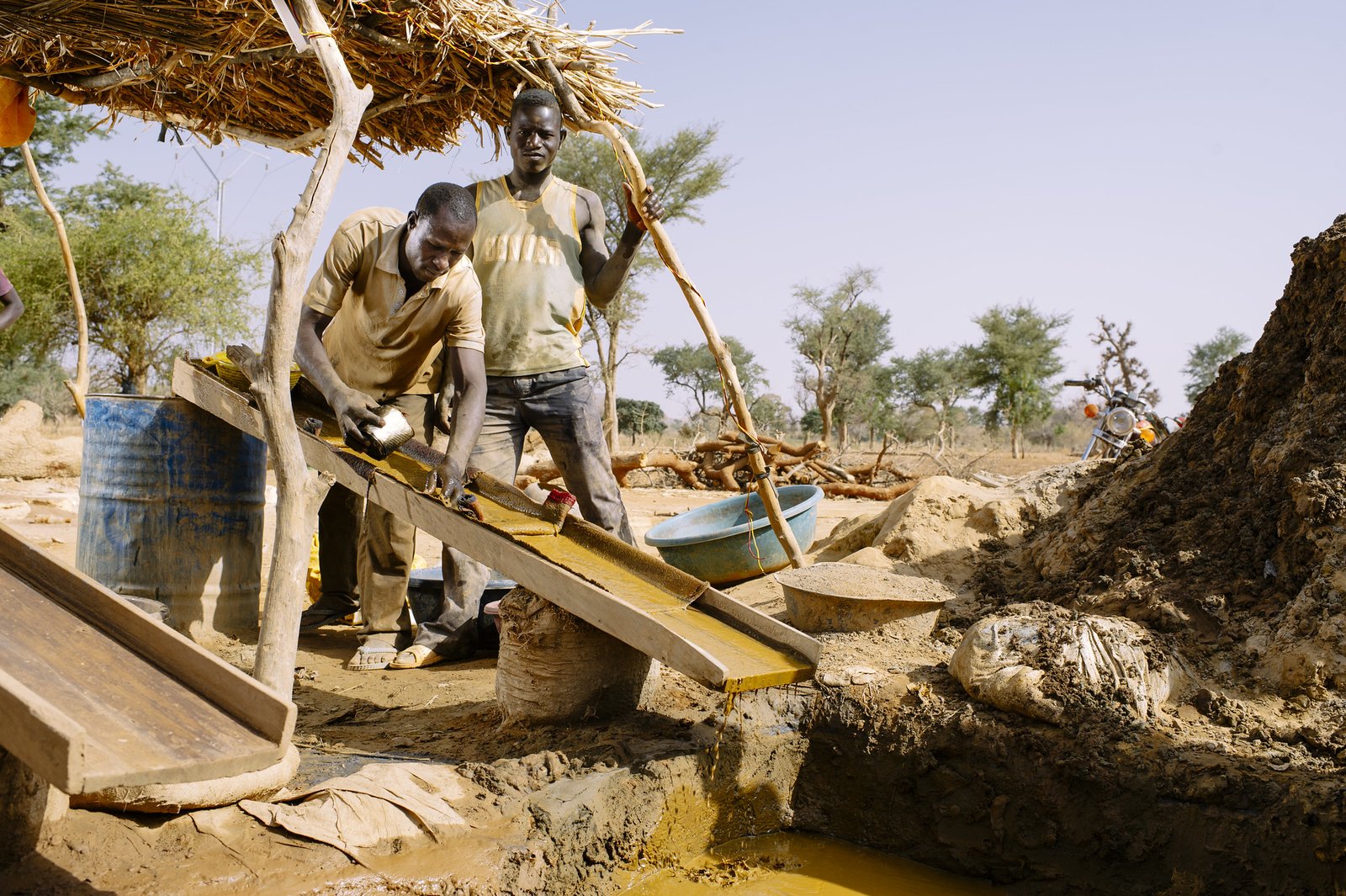
The Democratic Republic of Congo sits on one of the world's largest concentrations of untapped mineral wealth — and gold is at its heart. Eastern DRC alone produces an estimated 15–20 tonnes of artisanal gold annually, much of it flowing through Congo Gold Connect's verified supply network. But not all DRC gold is created equal. The three primary gold-producing provinces — Ituri, North Kivu, and Maniema — each have distinct geological characteristics, extraction methods, and purity profiles.
If you are buying DRC gold — whether as an investor, refinery, or commodity trader — understanding these regions helps you make informed decisions about sourcing, pricing, and documentation requirements.
The eastern DRC sits within the Central African gold belt, a geological formation created over billions of years of tectonic activity and volcanic uplift. Rivers cutting through gold-bearing rock have liberated elemental gold particles and deposited them in riverbeds and alluvial terraces across the region. This process — repeated over millennia — creates the dense concentrations of fine and coarse gold that make the region globally significant.
Eastern DRC's alluvial gold typically assays between 22 and 24 karats (92–99.9% purity), making it highly desirable for refineries. The natural purity is a direct result of the geological processes that formed these deposits — centuries of natural weathering and separation have already done much of the refinery's work.
🌍 Key fact: Eastern DRC is estimated to hold over 1,100 tonnes of proven gold reserves, with many geologists believing the true figure is far higher. Most production currently comes from artisanal and small-scale mining (ASM) operations.
Ituri, in the northeastern corner of DRC, is arguably the country's most productive gold province. The territory encompasses rich alluvial valleys and hard-rock deposits, with the Kilo-Moto gold belt — one of Africa's most historically significant gold zones — running directly through it.
Artisanal miners in Ituri work river systems including the Ituri River and its tributaries, extracting both alluvial (placer) gold from riverbeds and eluvial gold from weathered surface rock. Ituri gold is known for its consistently high purity, often exceeding 23K in alluvial form.
North Kivu borders Uganda, Rwanda, and South Sudan, making it strategically central to regional gold trade flows. The province is geologically complex — a mix of volcanic terrain around the Virunga range and ancient Precambrian basement rock further inland — creating diverse gold deposit types.
North Kivu is home to significant artisanal gold production around the Lubero and Walikale territories. The province also has a history of industrial-scale gold operations, lending it a more developed infrastructure for mineral processing and documentation than some other regions.
Maniema is the largest of the three provinces by area and — despite being less well-known internationally — holds enormous gold potential. The province sits along the western Rift Valley and contains extensive alluvial gold in the Ulindi, Elila, and Lualaba river systems.
Maniema gold is often characterised by its coarser particle size compared to Ituri, with nuggets and irregular grains more common alongside fine dust. This makes Maniema an attractive source for buyers interested in visible, photogenic gold material. The province is also less logistically complex in some zones, with steady production from the Punia, Pangi, and Kailo territories.
Congo Gold Connect operates a multi-province sourcing network that gives buyers access to verified gold from all three regions. Our on-the-ground representatives work directly with licensed artisanal mining cooperatives and established traders in Ituri, North Kivu, and Maniema.
Every lot we handle goes through the same verification process regardless of province of origin:
In most cases, buyers purchasing for refinery supply do not need to specify a province — what matters is purity, weight, and documentation. Our standard offering of 22–24K verified alluvial gold draws from whichever province has the best available stock at the time of order.
However, buyers with specific preferences — for example, coarser material for presentation purposes, or specific purity thresholds — can request province-specific sourcing. Maniema is typically the best choice for larger grain material; Ituri for consistently high-purity fine gold.
📋 Documentation note: All Congo Gold Connect transactions include full province-of-origin documentation. This is increasingly important for international compliance — refineries and traders subject to OECD Due Diligence Guidance requirements need documented mineral chain records.
Regardless of province, DRC gold follows a well-established corridor to international markets. Artisanal miners sell to licensed négociants (local traders), who consolidate and transport gold to provincial trading hubs. From there, established brokers like Congo Gold Connect arrange verification, documentation, and onward export via Kampala, Uganda.
Entebbe International Airport near Kampala is the primary export gateway for physical gold destined for Dubai, Switzerland, the UAE, and beyond. Uganda's well-developed gold export infrastructure — bonded warehouses, established relationships with international freight carriers — makes it the most practical exit point for the entire eastern DRC production region.
Congo Gold Connect sources verified 22–24K alluvial gold from Ituri, North Kivu, and Maniema. Any quantity, full documentation, escrow accepted.
Send an Inquiry → 💬 WhatsApp: +256 768 667 519